


 By Charlie Rytter, Co-founder, Bitcoin Artwear
The Taproot Upgrade activated on 14 November 2021 at Block 709,632, as a Soft Fork to the Bitcoin Protocol. It bundled three Bitcoin Improvement Proposals: BIP340, BIP341 and BIP342. Bitcoiners mark that Date as Taproot Day, the Anniversary of the biggest Change to Bitcoin since SegWit in 2017.

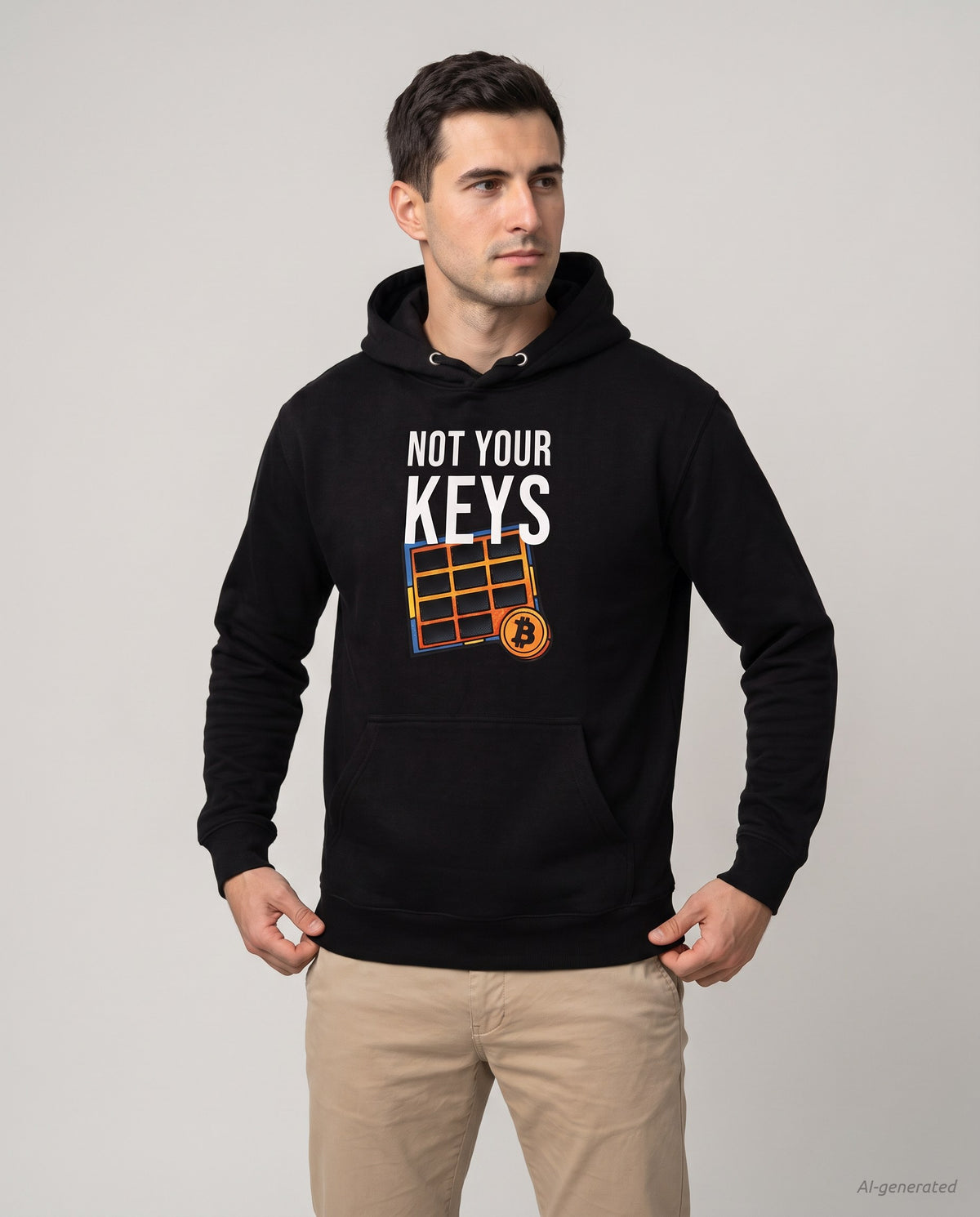
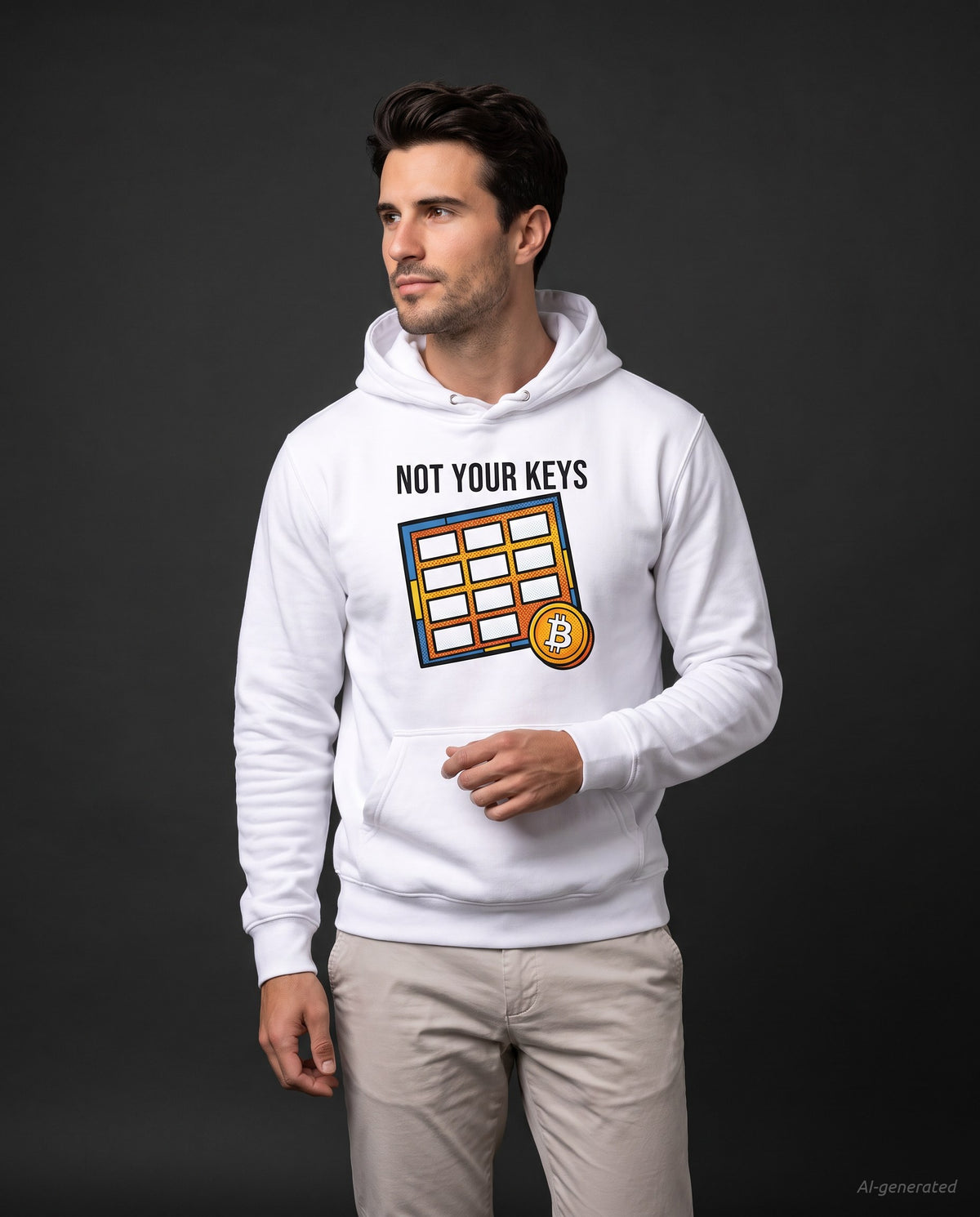
The Design in this PostShop Not Your Keys Self Custody
Key Takeaways
- Taproot activated on 14 November 2021 at Block 709,632 as a Soft Fork.
- It bundled three Bitcoin Improvement Proposals: BIP340, BIP341 and BIP342.
- Miners locked in activation on 12 June 2021, four Years after SegWit in 2017.
- Taproot spends carry less data, cutting fees and hiding multisig and time lock setups.
- Old addresses and old nodes kept working, no holder was forced to move funds.
What happened on 14 November 2021
On 14 November 2021 the new Rules took force at Block 709,632. Nodes running the Taproot Code began enforcing them from that Block onward, and the Chain carried on without a Split.
Taproot shipped as a Soft Fork. Older Nodes kept validating Blocks, existing Addresses kept working, and nobody had to move Coins to stay safe. That is the Discipline behind every Bitcoin Upgrade: Consensus first, Activation second.
Miners had already signalled their Support Months earlier, which locked the Activation to a fixed Block Height. So the Countdown ran in Blocks rather than Hours, and the Community watched the Height climb toward 709,632 on a public Block Explorer instead of a Clock.
Nothing broke on the Day. The Upgrade gave Users a new Address Type and new Spending Options, and left everyone free to keep using the old ones.
The road to the Taproot upgrade
Gregory Maxwell, a Bitcoin Core Developer, first proposed Taproot in January 2018. His Goal was to make complex Spending Conditions look like ordinary ones on the Chain, trimming Data and keeping private Detail off the public Ledger.
Pieter Wuille carried much of the Specification work. In 2020 Tim Ruffing, AJ Townes and Jonas Nick joined the Effort, and the Group pushed the Implementation through Review, Testing and plenty of public Argument on Mailing Lists and in Pull Requests.
On 12 June 2021 the Proposals reached Consensus among Miners, which locked in the November Activation as a Soft Fork. From that Point the Date was set by Block Height, not by Committee.
The last Change of this Size was Segregated Witness in 2017. Four Years separated the two Upgrades, which tells you how Bitcoin treats its own Code: slow, reviewed, and shipped only after the Debate is finished. No Marketing Deadline moves it.


What the three BIPs actually do
Taproot is an Umbrella Term for three Bitcoin Improvement Proposals that activated at the same Block. Each one has a separate Job.
- BIP340, Schnorr Signatures: a smaller, more flexible Signature Scheme than the original ECDSA. Several Signatures can be combined into one, so a Group Spend takes less Space in a Block.
- BIP341, Taproot: defines Pay-to-Taproot, written P2TR, a new Way to send Bitcoin. A complex Set of Spending Conditions can be hidden behind one Key Path, and only the Branch actually used ever reaches the Chain.
- BIP342, Tapscript: updates Bitcoin's Scripting Language so P2TR Spends work, uses the Efficiency of Schnorr Signatures, and leaves Room for cleaner Upgrades later.
In practice, that is what BTC Taproot means at the Wallet Level: a Spend from a Taproot Address looks the same to an Observer whether a single Key signed it or a Multisig Quorum did.
Why holders still feel the effect
The Payoff is quiet and permanent. Taproot Spends carry less Data, so Block Space goes further and Fees on complex Transactions sit closer to simple ones. Multisig Setups, Time Locks and Vaults stop announcing themselves to everyone with a Block Explorer.
For a long term Holder that matters more than any Headline. Better Privacy on the Chain means your Security Setup is your Business. Cheaper Scripts mean Self Custody Tools can get stronger without punishing you at Spend Time.
Taproot also laid Groundwork for Lightning and other Layer 2 Work, where smaller Signatures and flexible Scripts open Channel Designs that were awkward before. Four Years on, Wallets are still catching up with what the Upgrade made possible.


Mark Taproot Day
Taproot made Privacy and Self Custody cheaper to practise. That is the Reason to mark the Date: not a Celebration of Code, but of Control that nobody granted you and nobody can revoke.
If you want that Message on Cotton, Not Your Keys Self Custody keeps the Seed Phrase Card blank on purpose. What belongs there is yours alone.
Bitcoin ships Upgrades the way Holders ride Cycles: slowly, then all at once. The Ride The Orange Slope Collection takes that Attitude down the Mountain, and the Journal explains where the Orange Slope Meme came from if the Reference is new to you.
Checking Fit or Print Placement before you order? Our FAQ covers Sizing and Print Details. Wear the Bitcoin Revolution.
Questions
What is the difference between taproot and SegWit?
SegWit, activated in 2017, restructured how Witness Data is stored in a Block and fixed Transaction Malleability. Taproot, activated in 2021, added Schnorr Signatures, the Pay-to-Taproot Address Type and Tapscript. SegWit changed the Layout of a Transaction; Taproot changed how Spending Conditions are signed and revealed.
Can you send BTC to a taproot address?
Yes. Pay-to-Taproot Addresses have been spendable since Block 709,632, and most current Wallets and Exchanges support them. If a Wallet has not been updated in Years, it may refuse the Address Format, so test with a small Amount first or send to an Address Type both Sides support.
Is taproot safe?
Taproot shipped as a Soft Fork after Years of public Review by Bitcoin Core Developers and a Lock-in by Miners on 12 June 2021. Old Addresses and old Nodes kept working, and no Holder was forced to move Funds. As always, your own Key Management is the Part that decides your Safety.








Sharing is caring:
Bitcoin History facts every Bitcoiner should know