


 By Sebastian Davidge, Co-founder, Bitcoin Artwear
Bitcoin's total History runs from 31 October 2008, the Date of the Whitepaper, to the Block being mined right now. The Markers that matter are the Genesis Block on 3 January 2009, the first Transaction to Hal Finney, Pizza Day in 2010, and four Halvings. Here is that Timeline, told without Price talk.

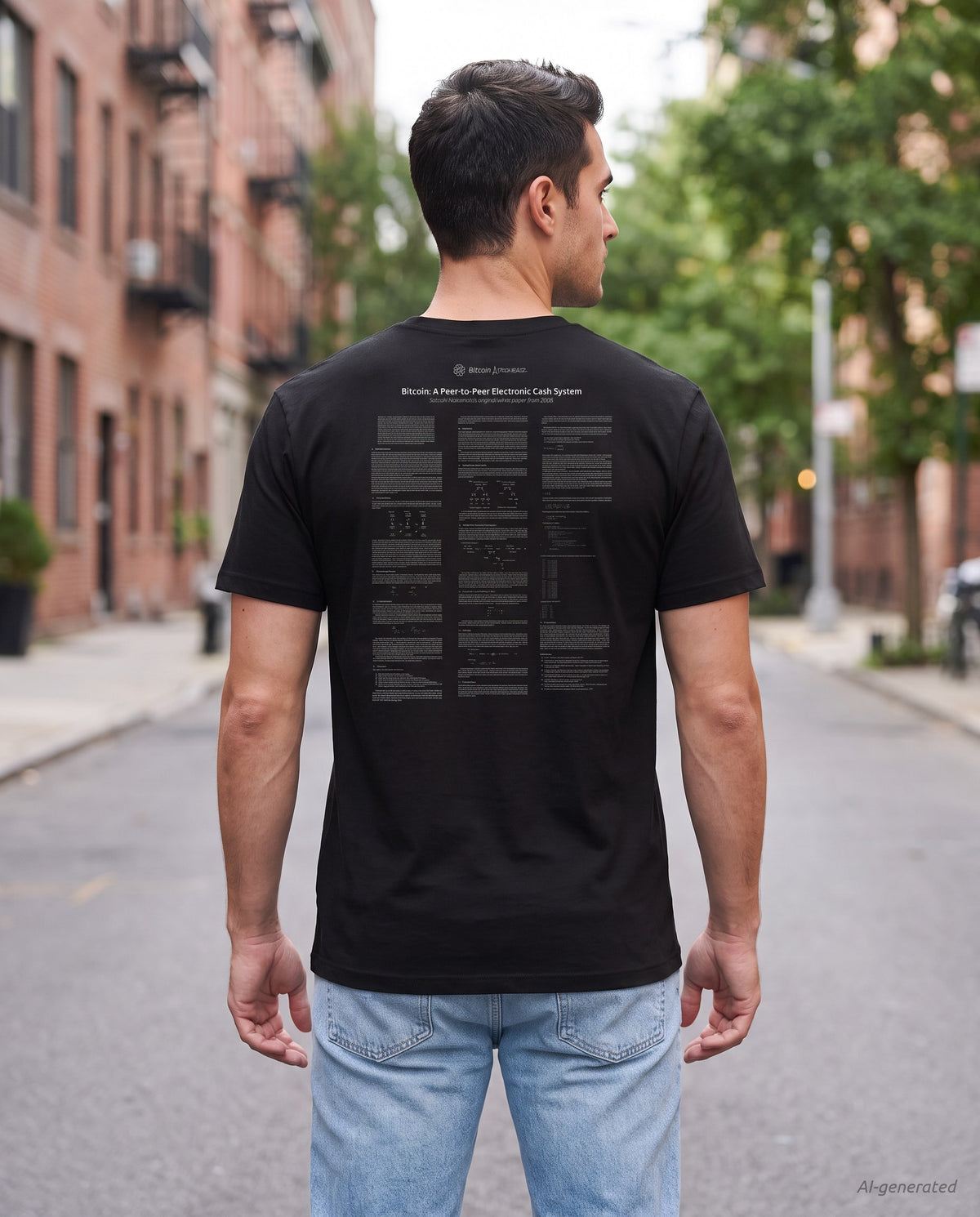
The Design in this PostShop Bitcoin Whitepaper, Nine Pages on the Back
Key Takeaways
- The Whitepaper was posted on 31 October 2008, the Genesis Block mined on 3 January 2009.
- Hal Finney received the first Bitcoin transaction on 12 January 2009, in Block 170.
- Pizza Day, 22 May 2010, marked the first Purchase of a real good with Bitcoin.
- Four Halvings have occurred so far: 2012, 2016, 2020 and 2024, cutting the subsidy to 3.125 BTC.
- Supply is capped at 21 million Coins, with a new Block found roughly every 10 minutes.
Bitcoin's origin: Whitepaper to Genesis Block
Bitcoin did not appear from nothing. Digital Cash Experiments came first, starting with David Chaum's ecash in the 1980s. Cynthia Dwork and Moni Naor proposed in 1992 that Solutions to computational Puzzles could carry Value, and Adam Back built hashcash, a Proof-of-Work Scheme for Spam Control, in 1997.
Wei Dai's b-money and Nick Szabo's bit gold described Money based on digital Scarcity. Hal Finney went on to build reusable Proof of Work using hashcash. Every Part existed. Nobody had assembled them into a Network that ran.
On 18 August 2008 the Domain bitcoin.org was registered. On 31 October 2008 a Link to a Paper titled Bitcoin: A Peer-to-Peer Electronic Cash System, signed Satoshi Nakamoto, was posted to a Cryptography Mailing List. It still reads better than any Summary of it, and you can open the original Whitepaper in a Minute.
The Genesis Block and its Message
On 3 January 2009 the Bitcoin Network came into Existence when Satoshi Nakamoto mined the Genesis Block, Block 0, which carried a Reward of 50 Bitcoins. Embedded in it is the Text "The Times 03/Jan/2009 Chancellor on brink of second bailout for banks", lifted from that Day's Headline.
That Line works as a Timestamp and as a Verdict on the Banking System it was written against. We pulled it apart in our piece on the Line that started it all, and it remains the clearest Statement of Intent in Bitcoin's total History.
The first open source Bitcoin Client was released on 9 January 2009. Three Days later, on 12 January 2009, Satoshi Nakamoto sent 10 BTC to Hal Finney in Block 170, the first Transaction between two People. Every Block since then is still on the Chain, open to anyone who wants to check it.
The Argument that started all of it fits on nine Pages, which is exactly why we print them. Bitcoin Whitepaper, Nine Pages on the Back puts the founding Document where People can read it over your Shoulder.


Early growth and the culture it created
Charts record the Price. They do not record the Habits, the Jokes and the Language that early Holders built, and those outlived every Exchange that failed. Bitcoin's Culture was written in Forum Posts, not in Press Releases.
Pizza Day and the HODL Post
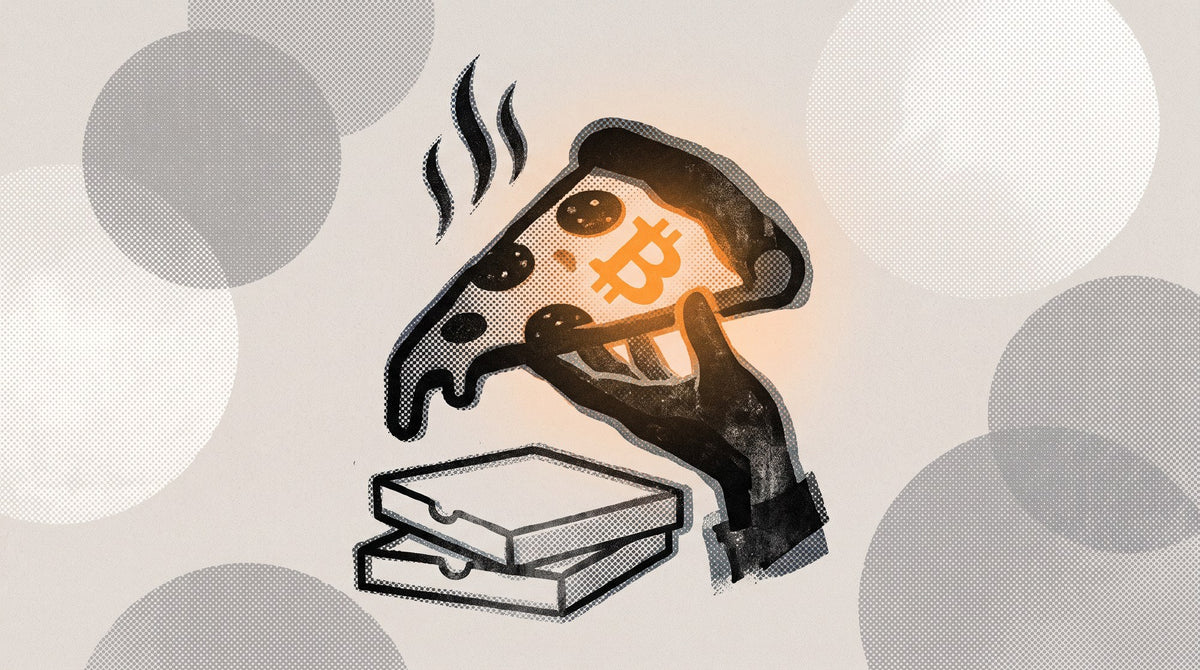
On 22 May 2010 Laszlo Hanyecz paid 10,000 BTC for two Pizzas, the first known Purchase of a real Good with Bitcoin. Bitcoiners mark the Date every Year as Bitcoin Pizza Day. The Point is not what the Coins would be worth later; the Point is that the Network paid for Dinner and settled.
On 18 December 2013 a Post titled "I AM HODLING" went up on the BitcoinTalk Forum. A Typo in a late-night Rant became the Word that describes the whole Strategy: hold through the Noise, do not trade your Conviction away. HODL is now printed on more Chests than any Slogan a Marketing Team ever wrote.
From the mid-2010s some Businesses began accepting Bitcoin alongside traditional Currencies, and the Network kept producing Blocks through every Ban, Hack and Obituary. From 2021 to 2025 El Salvador adopted it as legal tender Currency before revoking that Status. The Protocol did not ask permission in either Direction.
This is why early Holders still set the Tone. They learned the Rules the hard Way: verify, keep your Keys, judge the Network by its Blocks and not by its Headlines. Everything a new Holder is told today is a Repeat of a Lesson from those Years.
The Halving schedule and Bitcoin's supply
Bitcoin's total History is driven by a Schedule nobody can renegotiate. The Supply is capped at 21 million Coins. One Bitcoin divides into 100,000,000 Satoshis, named after Satoshi Nakamoto, so a hard Cap never limits how small a Payment can be.
A new Block is found roughly every 10 minutes on average. Because Hash Power moves, the Mining Difficulty adjusts every 2,016 Blocks, about every two Weeks, pulling the Rhythm back towards that Ten Minute Average. That Clock is the Spine under every Date in this Timeline.
Four Halvings so far
The Block Subsidy halves every 210,000 Blocks, roughly every four Years. The Genesis Block paid 50 Bitcoins to its Miner. Each Halving since has cut new Issuance in half:
- 2012: the first Halving
- 2016: the second Halving
- 2020: the third Halving
- 2024: the fourth Halving, at Block 840,000, cutting the Subsidy to 3.125 BTC
New Coins keep arriving on this Schedule until the last Bitcoin is expected to be mined around the Year 2140. After that, Miners are paid by Transaction Fees alone. The End Date is already written into the Software, which is the Part that separates Bitcoin from every Monetary System it was built against.
Check it yourself
None of this needs Trust. Run your own Node and your Software enforces the Rules on your Machine, Block by Block. If you only want a quick Look, a public Explorer such as mempool.space shows the current Block Height, the Difficulty Adjustment and the Fee Market in real Time.
Knowing the Schedule changes how the News reads. A Halving is not a Surprise, it is an Appointment that was set in 2009 and has been kept four Times. The Chain keeps its own Record, and anyone can audit it.


Why this History matters for Bitcoiners today
History in Bitcoin is not Decoration. It is the Reason behind the Rules Holders follow, and most of those Rules were paid for by People who learned them the expensive Way.
Exchanges have collapsed, Regulators have banned and unbanned, and Custodians have lost Coins that were never theirs. Through all of it, the Holders who controlled their own Keys still controlled their own Coins. That is the single Lesson the first Years hammered home.
From Timeline to Practice
If you want the Mechanics rather than the Slogan, start with our Explainer on what self custody means in Bitcoin. It covers Keys, Backups and the Difference between owning Bitcoin and owning a Claim on somebody else's Bitcoin.
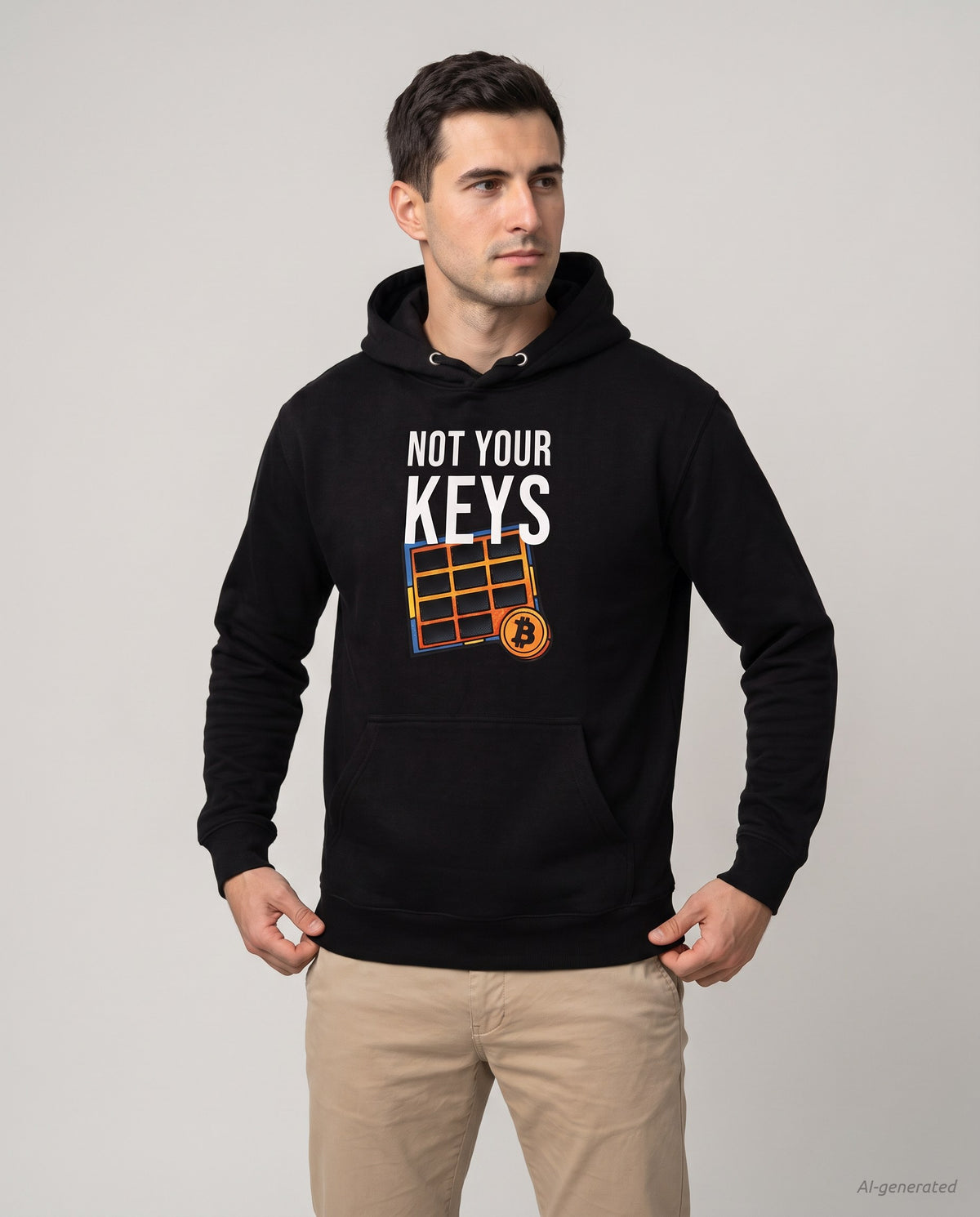
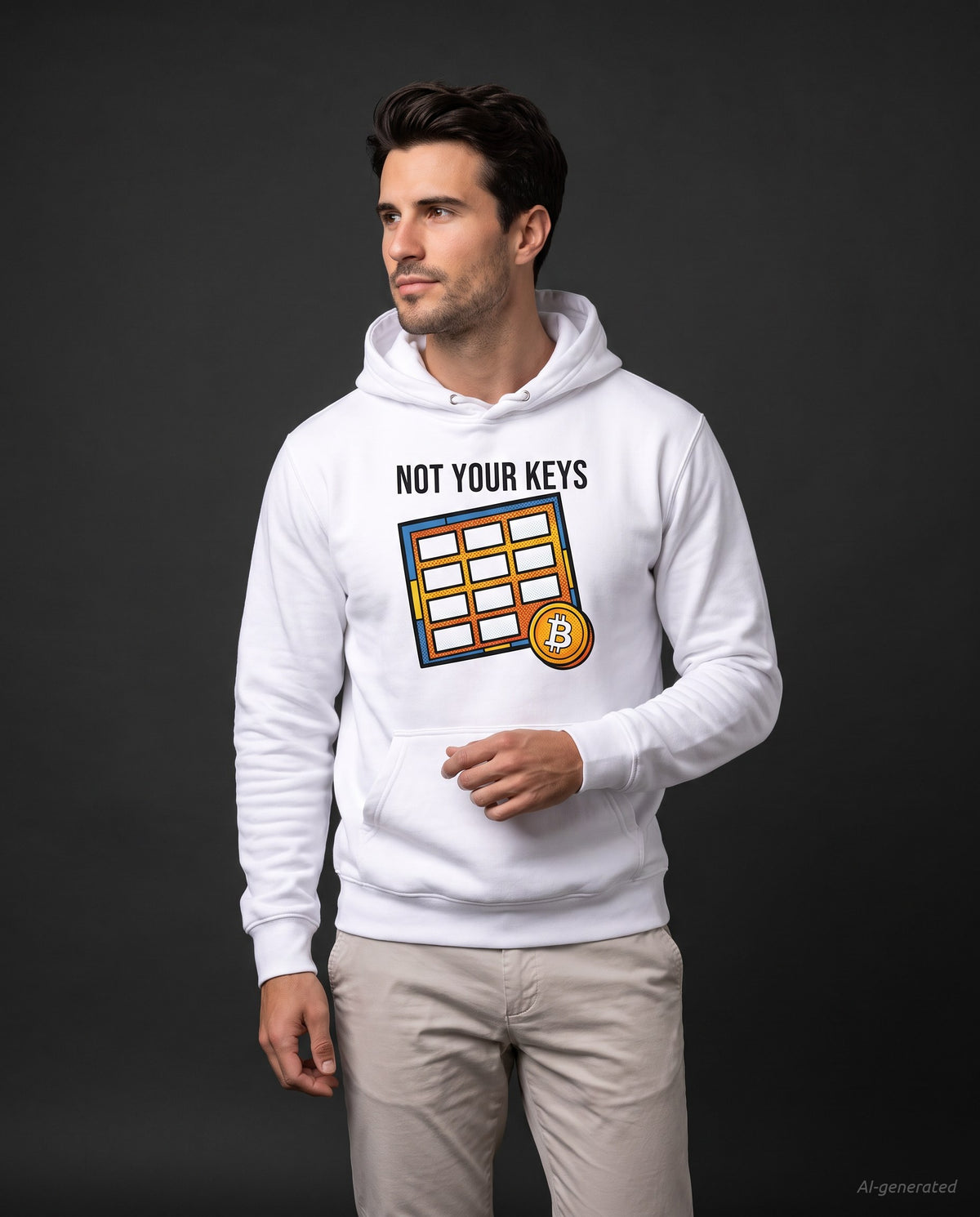
The same Lesson travels well on Cotton. Not Your Keys Self Custody states the Principle in four Words, and it starts more useful Conversations at a Bar than any Explainer ever will.
Long-term Conviction gets easier once the Timeline is in your Head. The Whitepaper in 2008, the Genesis Block in 2009, four Halvings, the same 21 million Cap, the same ten Minute Rhythm. Nothing in that Sequence depended on a Chart being green.
That is what we print. Our Bitcoin Hoodies carry the Symbols and Dates this History produced, each one printed after the Order by our Production Partner in the Production Site closest to the Buyer, so no unsold Stock sits in a Warehouse.
Know the Dates. Hold your Keys. Wear the Bitcoin Revolution.











Sharing is caring:
Taproot Day: the Story behind the Taproot upgrade
Bitcoin Pizza Day: the Story behind the first Bitcoin Purchase