


 By Charlie Rytter, Co-founder, Bitcoin Artwear
Bitcoin's Halving Dates so far: 28 November 2012 at Block 210,000, 9 July 2016 at Block 420,000, 11 May 2020 at Block 630,000 and 20 April 2024 at Block 840,000. The next one lands at Block 1,050,000, expected in April 2028, when the Block Subsidy Drops from 3.125 BTC to 1.5625 BTC. Here is the full List, the Rule behind it, and why the Date is always an Estimate.
Key Takeaways
- Four Halvings have occurred: 2012, 2016, 2020 and 2024, each cutting the Block Subsidy in half.
- The next Halving lands at Block 1,050,000, expected around April 2028.
- Halvings occur every 210,000 Blocks, roughly four Years, a Rule fixed in the Protocol.
- The Difficulty Adjustment, recalculated every 2,016 Blocks, is why exact Halving Dates can shift.
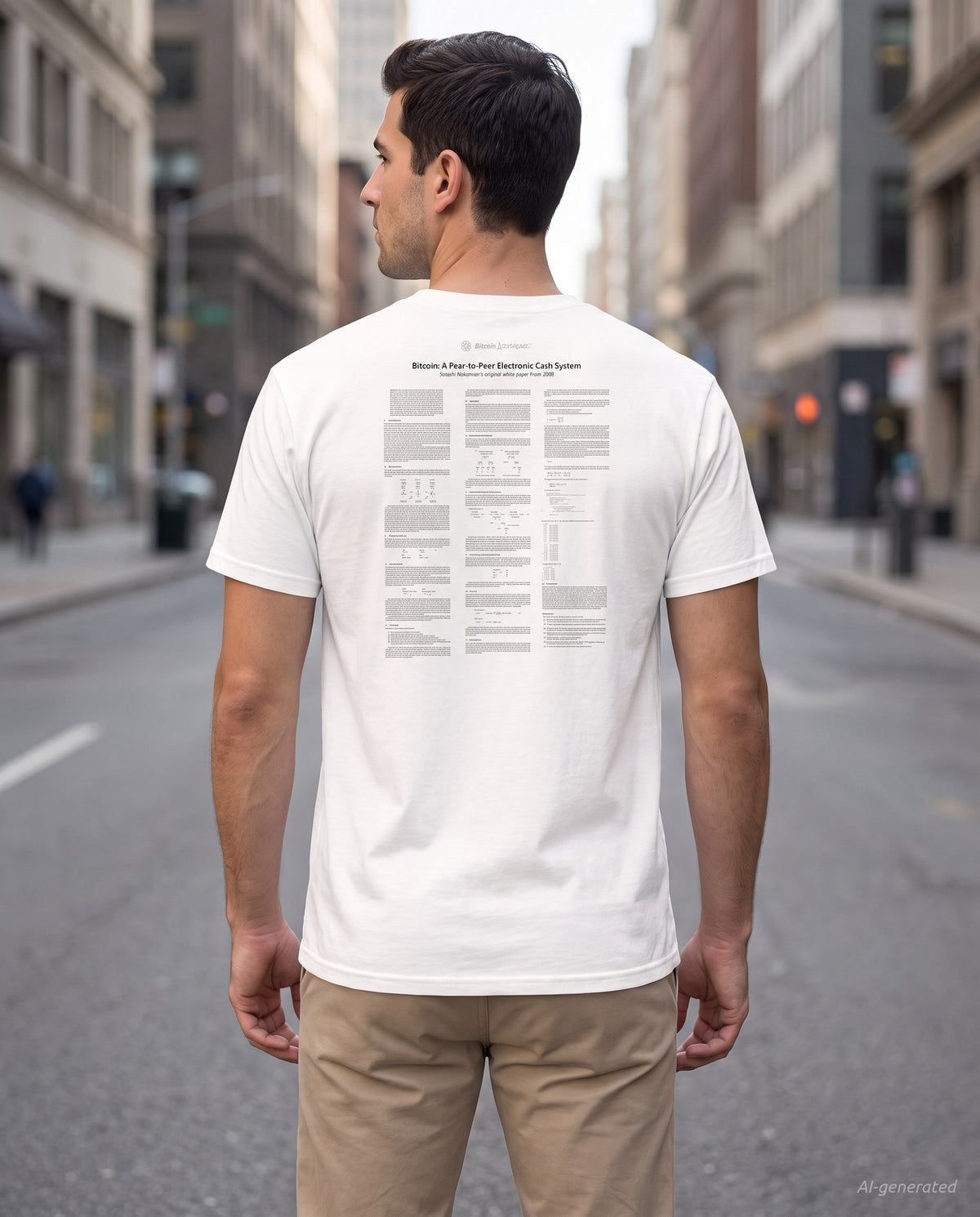
- Bitcoin Whitepaper, Nine Pages on the Back and the Bitcoin Hoodies suit Halving Day wear.
What a Bitcoin Halving date marks
A Halving is not an Event somebody calls. It is a Line in the Protocol: every 210,000 Blocks, the Subsidy paid to the Miner who finds a Block is cut in half. No Committee votes on it, no Date is announced, and no Participant can delay it.
Blocks are found roughly every ten Minutes on average, so 210,000 Blocks work out to roughly four Years. That is the whole Reason Halvings cluster in 2012, 2016, 2020 and 2024, and why the fifth is expected in 2028.
The Cap behind the Rule
The Halving exists to serve the Cap. Bitcoin's Supply stops at 21 million Coins, and the only Way to reach that Number without an abrupt Stop is to release new Coins on a shrinking Schedule. Each Cut makes the new Issuance smaller than the Issuance before it.
Follow that Schedule far enough and new Supply runs out. The last Bitcoin is expected to be mined around the Year 2140, after which Miners are paid by Transaction Fees alone. Every Halving Date is a Step on that Path, not a Surprise along it.
The Rule was written down before a single Block existed. Satoshi Nakamoto published the Whitepaper on 31 October 2008, and the Genesis Block followed on 3 January 2009. Our post on the Whitepaper anniversary covers the Document that set the Supply Rule every Halving now carries out.
Every Bitcoin Halving date so far
Four Halvings have happened. Each has a Date, a Block Height and a Subsidy Cut, and the Block Height is the Part that is fixed. The Date is simply when the Network reached that Height.
- First Halving, 28 November 2012, Block 210,000. The Subsidy fell from 50 BTC to 25 BTC per Block. Bitcoin was under four Years old, and the Rule many people had only read about ran for the first Time.
- Second Halving, 9 July 2016, Block 420,000. The Subsidy fell from 25 BTC to 12.5 BTC. By then Mining had moved from Home Machines to purpose-built Hardware, and the Cut was a planned Event the whole Industry prepared for.
- Third Halving, 11 May 2020, Block 630,000. The Subsidy fell from 12.5 BTC to 6.25 BTC. This was the first Halving watched live by a large Audience, with Block Explorers and Countdown Streams running on the Day.
- Fourth Halving, 20 April 2024, Block 840,000. The Subsidy fell from 6.25 BTC to 3.125 BTC, where it stands today.
Reading the List properly
Two Things stay constant across all four Rows. The Gap between Heights is always 210,000 Blocks, and the Subsidy is always exactly half of what it was. Nothing else about the Network, the Hardware or the News Cycle changed either Number.
The Subsidy is also not a Miner's whole Income. Transaction Fees are paid on top of it, and their Share of Miner Revenue grows as the Subsidy shrinks. That Shift is the quiet Story running underneath the Halving Dates.
Treat the Dates as History, not as a Signal. What the List proves is Reliability: four Cuts, four Times, exactly on Schedule, with no Exception and no Negotiation.
The next Bitcoin Halving date
The fifth Halving comes at Block 1,050,000, when the Subsidy Drops from 3.125 BTC to 1.5625 BTC. The expected Month is April 2028. The Block Height is certain; the Month is arithmetic.
Every Countdown you see works the same Way. Take the Blocks remaining, assume ten Minutes each, and convert to Days. The Assumption is the weak Part, because real Blocks do not arrive on a Metronome.
Why the Date keeps moving
Bitcoin corrects for this with the Difficulty Adjustment. Every 2,016 Blocks, roughly every two Weeks, the Network recalculates how hard it is to find a Block so that the Average Returns to about ten Minutes.
When more Hash Power joins, Blocks come faster until the next Adjustment pulls them back. When Hash Power leaves, Blocks come slower for a While. Over Years these Swings add up to Days, which is why published Halving Dates shift by a Day here and there.
So the honest Answer to the Question is a Range, not a Timestamp. April 2028 is the Expectation; Block 1,050,000 is the Fact. If you want the current Estimate, watch the Block Height on a Block Explorer such as mempool.space and do the Arithmetic yourself.
That Distinction is worth keeping straight when the Countdown Posts start. A Clock counting Seconds looks precise, but it is only a Projection built on an Average. The Protocol never promised a Date. It promised a Height.
Why the Halving date matters beyond the Chart
Strip away the Countdown and the Halving is a Statement about Control. The Issuance Schedule was set once, published in Code, and has run through four Cuts without a Vote, a Meeting or an Emergency Session.
Compare that with how any other Monetary Rule works. Elsewhere, Issuance is a Decision: a Body meets, weighs Conditions, and changes the Supply as it sees Fit. Bitcoin removed the Meeting entirely. The Rule is the Rule, and everyone can read it.
Predictability as the Point
That is the Reason Bitcoiners mark Halving Dates at all. The Event itself is undramatic, a Number in the Code changing at a known Height. What it demonstrates is that the Schedule holds under Pressure, through Bull Runs, Bear Markets, Bans and Forks.
Anyone can verify it. Run a Node, check the Block Height, read the Subsidy. You are not trusting a Press Release, and you are not trusting us. The Chain tells you directly, which is the same Principle behind running your own Node and holding your own Keys.
None of this says anything about what happens next. Bitcoiners have a whole Vocabulary for that Conversation, most of it Jokes, and our post on the Orange Slope Meme explains where that Language comes from without pretending to know the Future.
Hold the two Ideas apart. The Supply Schedule is Fact, fixed and checkable. Everything built on top of it is Opinion. The Halving Date is one of the few Things in Bitcoin you can write in a Calendar Years ahead and still be roughly right.
How Bitcoin Artwear marks Halving Day
Bitcoin has a short List of Days worth marking. Whitepaper Day on 31 October, Genesis Day on 3 January, Pizza Day on 22 May, and Halving Day, which arrives roughly every four Years and gives the Network a public Moment of its own.
Halving Day is a Meetup Day. Watch Parties run the Block Height on a Screen, Conferences schedule Panels around it, and Group Chats fill with Countdowns. It is one of the few Occasions where everyone in the Room is watching the same Number.
What to wear when the Block lands
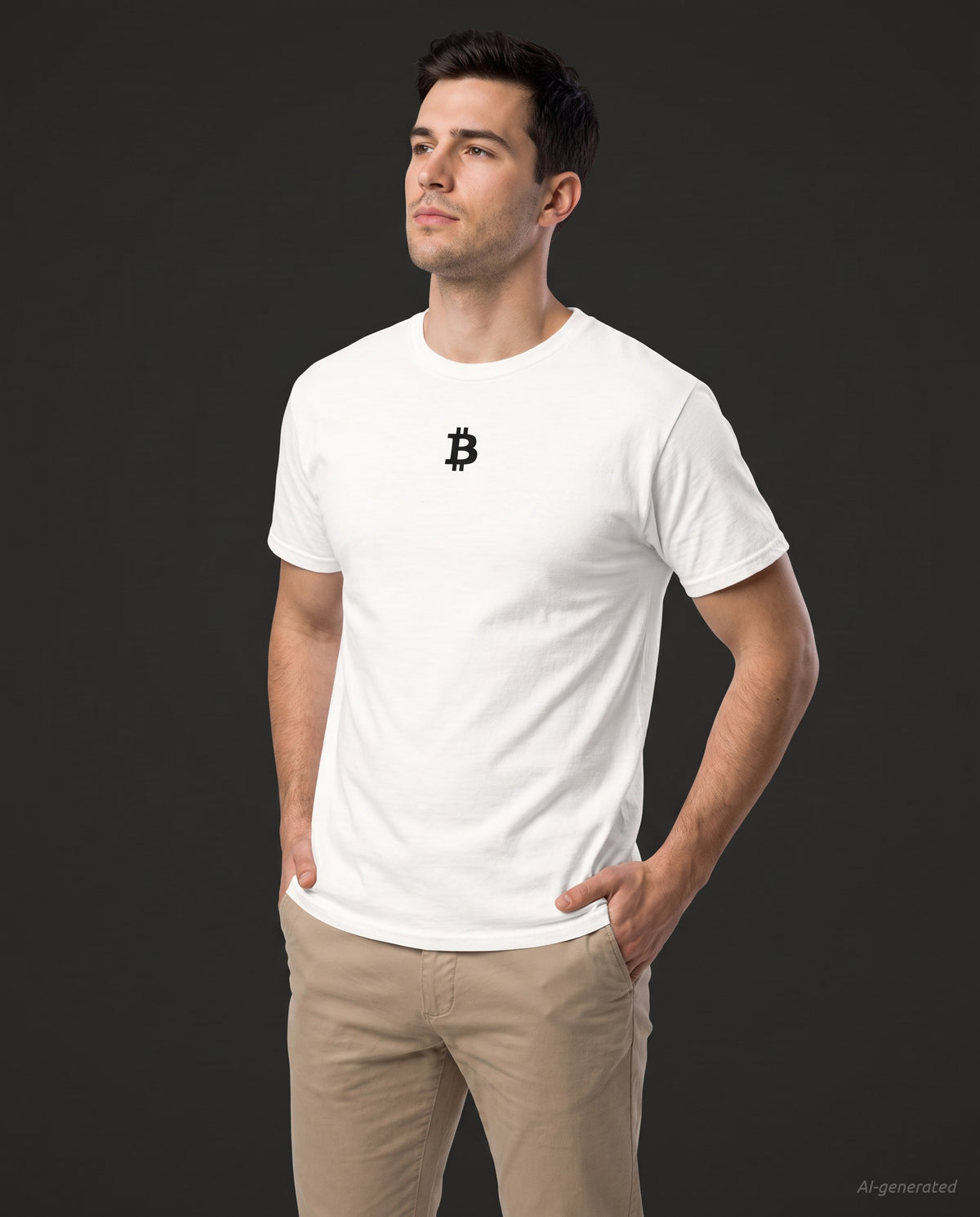
What you wear in that Room says which Part of the Story you care about. We draw every Design from Bitcoin's own History and Language, so the Piece carries an Idea rather than a Logo bolted onto a Blank.
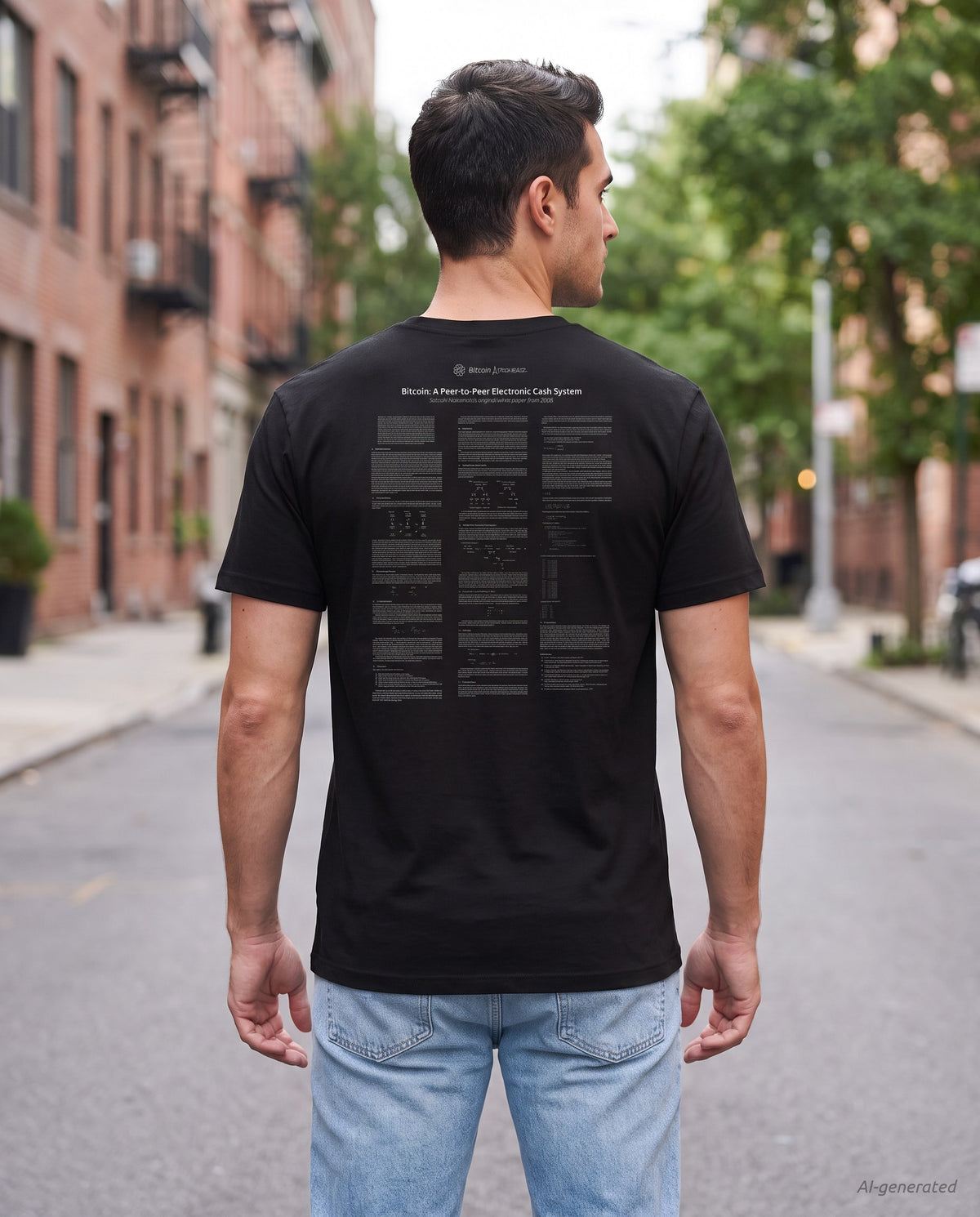
For a Halving, the obvious Choice is the Document that created the Rule. Bitcoin Whitepaper, Nine Pages on the Back puts the full Text across the Back, including the Supply Section that every Halving executes. Wear it and the Conversation starts for you.
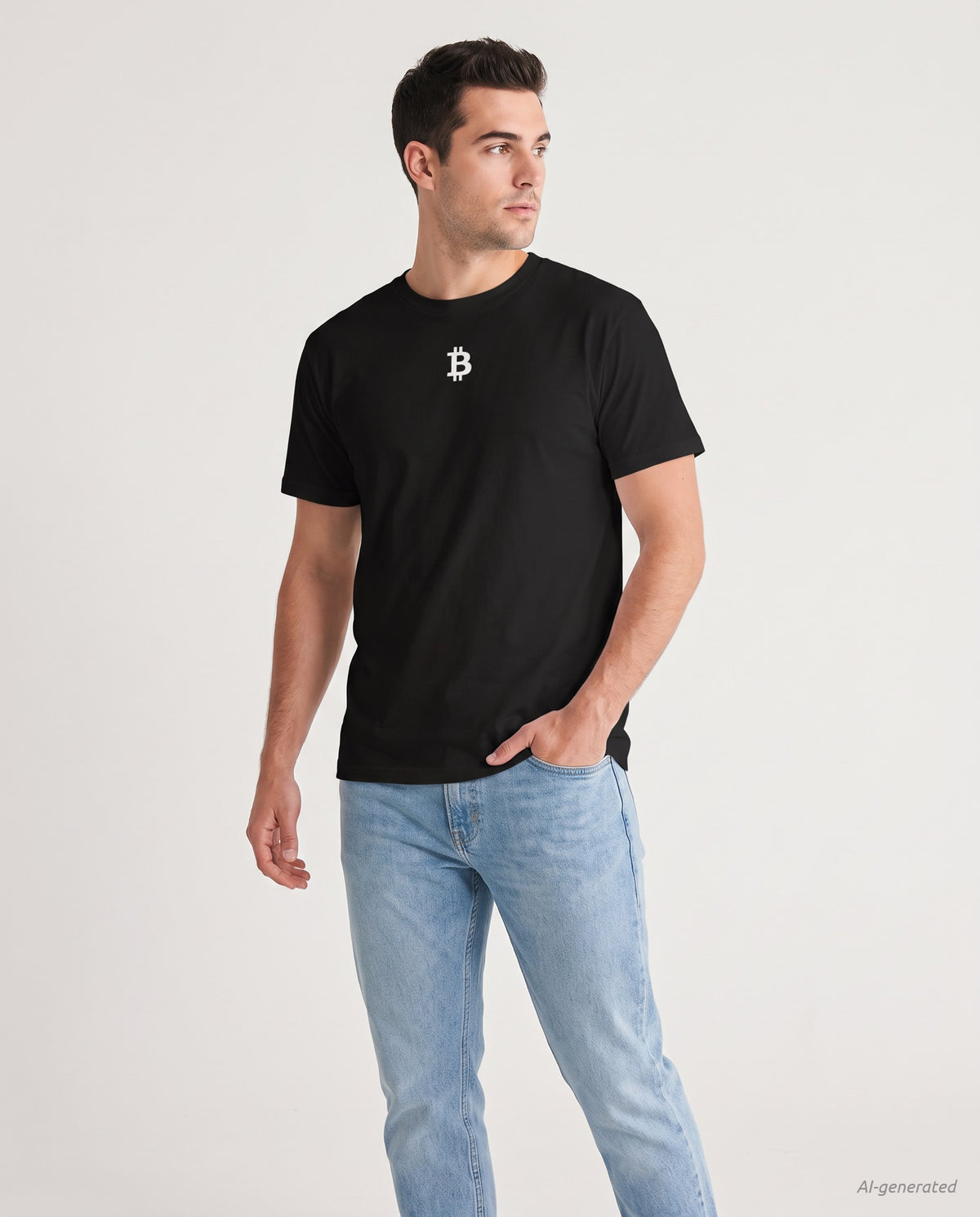
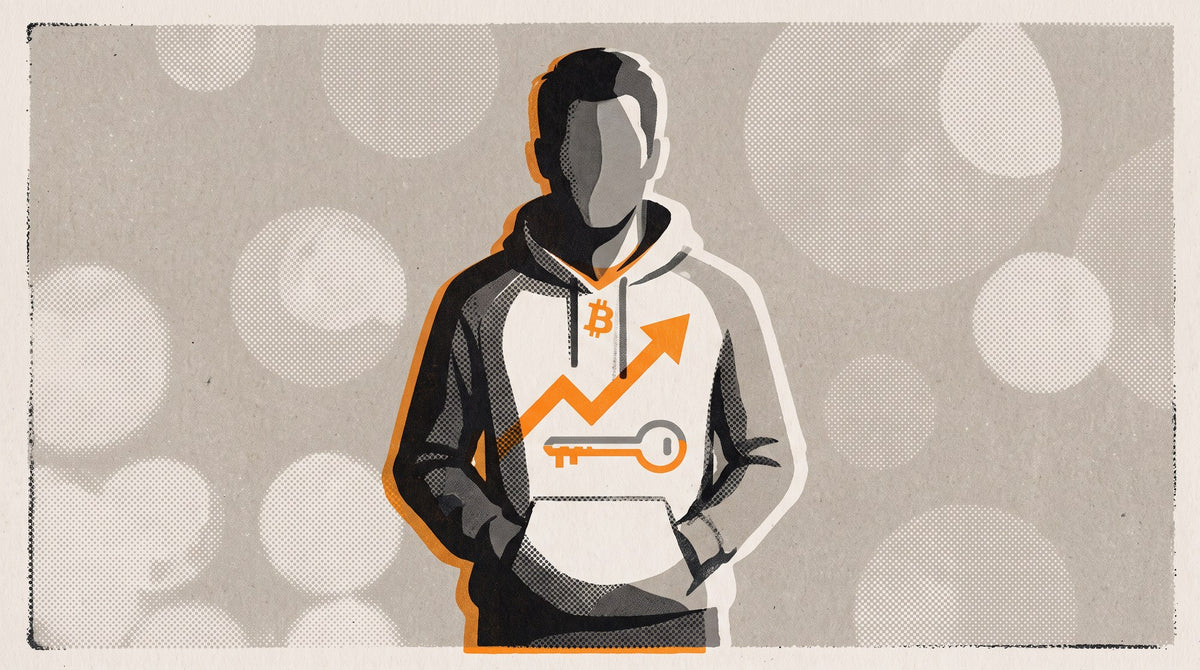
If you want something simpler for the Day, the Bitcoin Hoodies run heavyweight in a classic Fit and work as a Gift for the Bitcoiner who already owns the Node and the Hardware Wallet.
Each Piece is printed after the Order is placed, by our Production Partner, in the Production Site closest to the Buyer, so there is no unsold Stock sitting in a Warehouse. The full Detail is on how your Artwear is made.
Wear the Bitcoin Revolution.
Sources

From the ShopBitcoin Hoodies✓ Made when you order it✓ 14 Days to change your MindShop the Collection





Del det videre:
Gaver til Bitcoin-elskere, der allerede har nøglerne